

Learn how cross brace supports scaffold stability and safer site access in construction projects.
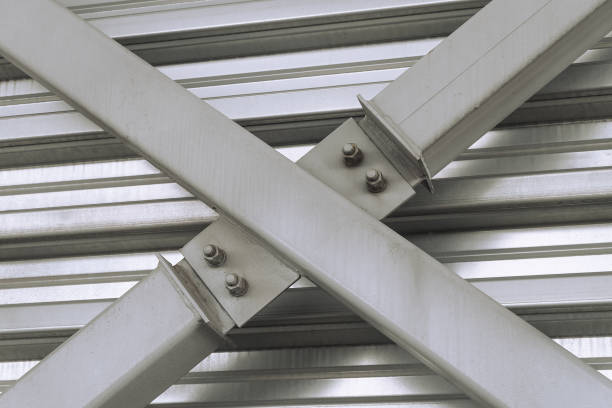
Cross brace
Scaffolding systems depend on more than vertical frames and platforms. Their stability also comes from the components that help distribute force, improve alignment, and reduce movement during use. One of the most important of these parts is the cross brace, which is commonly used in temporary access structures across building, maintenance, and industrial work.
In practical terms, this component connects scaffold frames diagonally to help maintain the overall shape and strength of the structure. By forming a braced pattern between frames, it helps resist sway and supports a more rigid setup. This function is especially relevant on active construction sites, where platforms must remain stable under changing work conditions, equipment loads, and worker movement.
Why It Matters in Scaffolding Systems
A scaffold must remain secure throughout installation, use, and dismantling. Structural balance becomes more important as the working height increases or when the scaffold is exposed to wind, uneven ground, or repeated access throughout the day. In this context, cross brace contributes to lateral support and helps the scaffold remain properly aligned.
Its role is not limited to strength alone. It also assists with consistency in assembly, since well-matched bracing components support a more orderly setup between scaffold sections. For contractors and site teams, this can help reduce installation errors and improve confidence in the structure’s configuration. When combined with suitable frames, locking pins, and platforms, the bracing system becomes a key part of safe site access planning.
Common Applications on Site
This type of scaffold component is widely used in commercial construction, residential development, renovation work, and industrial maintenance. It may be seen in façade access systems, external repair works, interior fit-out projects, and temporary support structures where elevated access is needed for labour and materials.
The specific requirements can vary depending on the project. Smaller jobs may involve straightforward access towers, while larger developments often require extended scaffold runs with multiple bays and working levels. In both cases, the purpose of the bracing remains similar: to support stability and maintain the structural form of the scaffold during use.
What to Consider Before Choosing One
Before selecting scaffold components, buyers should review dimensions, compatibility, material quality, and intended site conditions. Not all bracing products are suitable for every frame type or scaffold system. A mismatch in size or specification may create installation issues or affect structural performance.
It is also important to consider the working environment. Outdoor projects may expose scaffolding to weather, moisture, and repeated use over longer periods, so durability becomes an important factor. In busy work zones, consistency in fit and ease of installation can also improve efficiency during setup and dismantling. For procurement teams, checking product specifications carefully helps ensure the selected component supports both operational requirements and site safety expectations.
In summary, cross brace plays a practical role in helping scaffold systems remain stable, aligned, and suitable for temporary access work. Although it is only one part of a larger structure, its contribution to overall performance is significant. For contractors, site supervisors, and project planners, understanding how cross brace functions within the scaffold system can support better material selection and more reliable project execution.